Makita vs DeWalt: Power Tool Platform Comparison (2026)
Makita 18V LXT vs DeWalt 20V MAX — we compare tool performance, battery technology, durability, and value to help you choose the right cordless platform.

In this guide
Makita and DeWalt represent two different philosophies in cordless tool design. DeWalt prioritizes raw power and aggressive marketing of voltage numbers. Makita prioritizes efficiency, compact design, and motor technology refinement. Both make professional-grade tools that handle home garage work with ease — but the differences in ergonomics, battery technology, and tool selection matter depending on how you work. I’ve used both platforms for years and tested current-generation tools head-to-head.
A note on voltage marketing: Makita’s 18V LXT and DeWalt’s 20V MAX deliver essentially the same power. DeWalt measures “maximum” voltage (20V) while Makita measures “nominal” voltage (18V). Under load, both platforms operate at approximately 18V. The number difference is marketing, not performance.
Battery Technology
Battery Technology
Makita
18V LXT platform with 300+ tools — the largest 18V ecosystem. 18V X2 (36V) system uses two 18V batteries for high-power tools without a separate battery platform. Battery range from 2.0Ah to 6.0Ah. LXT batteries are compact and lightweight. No proprietary high-voltage battery needed.
DeWalt
20V MAX platform with 300+ tools. FLEXVOLT batteries automatically switch between 20V and 60V depending on the tool. Battery range from 1.5Ah to 15.0Ah FLEXVOLT. POWERSTACK batteries use pouch cell technology for higher power density in a smaller package.
Winner DeWalt
DeWalt's FLEXVOLT technology is genuinely innovative — one battery that provides 60V for high-demand tools and 20V for standard tools. Makita's 18V X2 system achieves similar voltage by using two batteries, which adds weight and bulk. DeWalt's POWERSTACK technology also provides a meaningful size/weight advantage. However, Makita's simpler single-voltage approach means every battery works in every tool without confusion.
Drill/Driver Performance
Drill/Driver
Makita
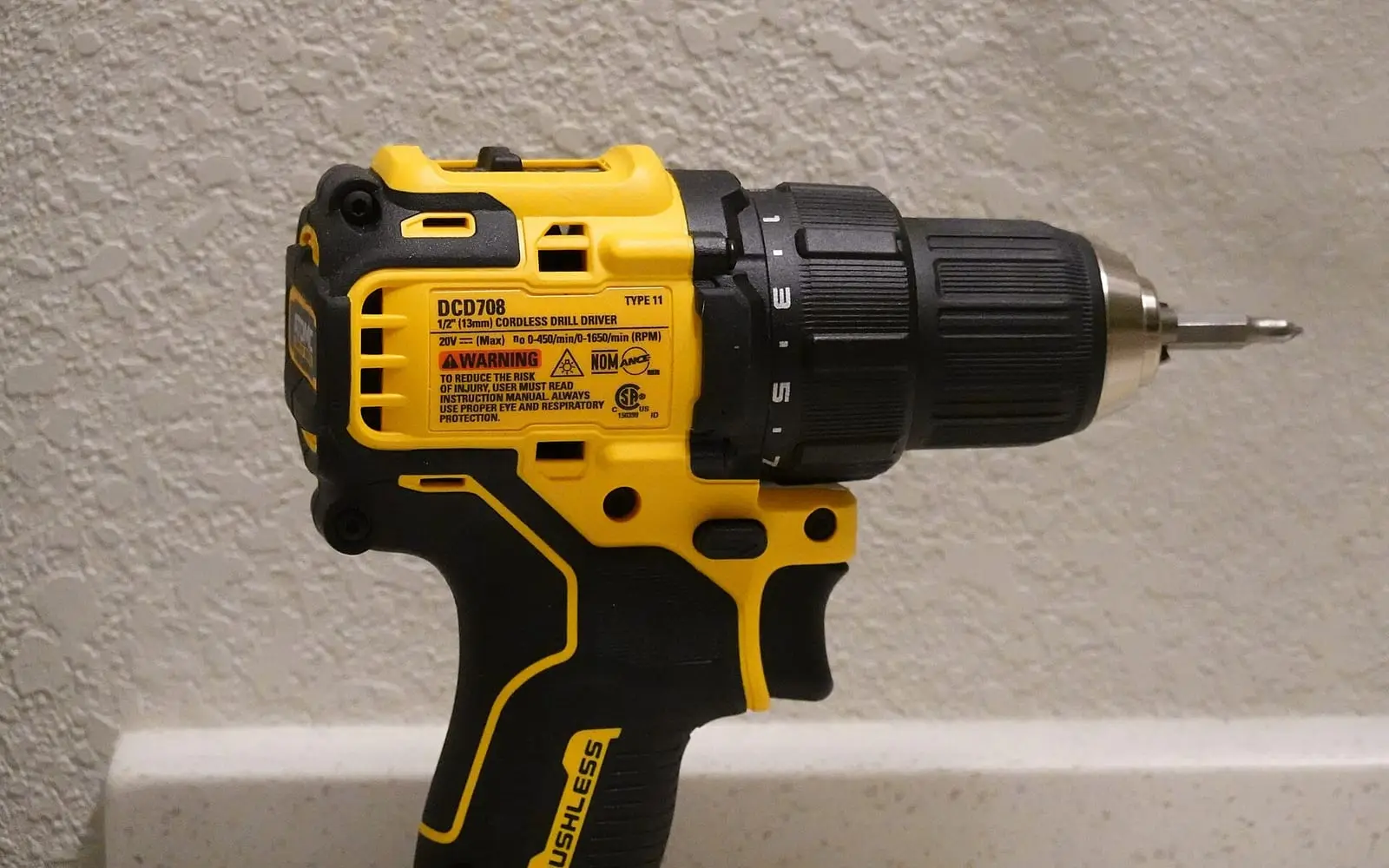
XFD14Z 18V LXT Brushless — 1,250 in-lbs torque, 2-speed, compact design, 5.7 lbs with battery. One of the most compact full-performance drills available. Efficient brushless motor delivers excellent runtime per charge.
DeWalt
DCD999B 20V MAX FLEXVOLT Advantage — 1,500 in-lbs torque, 3-speed, anti-vibration handle, 5.0 lbs with battery. More raw power but larger and heavier.
Winner Tie
DeWalt wins on raw torque (1,500 vs 1,250 in-lbs) and speed options (3 vs 2). Makita wins on compactness and lighter weight. For tight-space work and extended overhead drilling, Makita's compact design reduces fatigue significantly. For heavy-duty drilling in dense materials, DeWalt's extra torque matters. Choose based on your primary use case.
Circular Saw Performance
Circular Saw
Makita
XSH06PT1 18V X2 (36V) 7-1/4-inch — uses two 18V batteries for 36V power. 5,100 RPM. AWS (Auto-Start Wireless System) connects to dust extractors. Excellent blade visibility from both sides.
DeWalt
DCS578X1 FLEXVOLT 60V MAX 7-1/4-inch — single FLEXVOLT battery provides 60V. 5,800 RPM. Electronic brake. Higher RPM provides faster, cleaner cuts.
Winner DeWalt
DeWalt's FLEXVOLT 60V delivers more sustained power and higher RPM (5,800 vs 5,100) from a single battery. Makita's X2 system requires carrying and charging two batteries. The DeWalt cuts faster through dense material. Makita's AWS dust extractor integration is a nice feature for indoor work, but the power advantage goes to DeWalt.
Build Quality & Ergonomics
Build Quality & Ergonomics
Makita
Known for refined ergonomics and compact tool design. Teal/black color scheme. Tools tend to be lighter and more balanced. Rubberized grips on most tools. Japanese engineering heritage with attention to detail. 3-year limited warranty.
DeWalt
Known for robust, overbuilt construction. Yellow/black color scheme — highly visible. Tools tend to be slightly heavier with more metal components. Aggressive grip texturing. American brand with global manufacturing. 3-year limited warranty.
Winner Makita
Makita's tools consistently feel more refined in hand — better balanced, lighter, and more comfortable during extended use. DeWalt's tools feel more rugged and overbuilt, which some users prefer. For all-day use, Makita's ergonomic advantage reduces fatigue. For occasional heavy-duty tasks, DeWalt's robust feel inspires confidence. Both brands are equally durable in practice.
Tool Selection & Specialty Tools
Tool Selection
Makita
300+ tools on 18V LXT — the largest single-voltage ecosystem. Strong in woodworking tools (track saws, routers, planers). Excellent outdoor power equipment (chainsaws, blowers, mowers) on the same 18V batteries. ConnectX backpack battery for extended runtime on outdoor tools.
DeWalt
300+ tools on 20V MAX. FLEXVOLT expands to high-power stationary tools (table saws, miter saws, planers). ToughSystem 2.0 storage integration. Strong in construction and framing tools. POWERSTACK technology expanding across the lineup.
Winner Tie
Both platforms offer comprehensive tool selection. Makita has an edge in outdoor power equipment — using the same batteries for your drill and your chainsaw is genuinely convenient. DeWalt has an edge in high-power stationary tools via FLEXVOLT. For a home garage that also maintains a yard, Makita's unified battery platform across power tools and outdoor equipment is compelling.
Value & Pricing
Value
Makita
Bare tools typically $10-$30 less than equivalent DeWalt. Batteries competitively priced. Combo kits offer good value. Less frequent deep sales than DeWalt. Available at Home Depot and independent dealers.
DeWalt
Bare tools slightly more expensive. Frequent deep sales and promotions at Home Depot. FLEXVOLT batteries are expensive ($80-$150). Combo kits aggressively priced during sales. Widest retail availability.
Winner Makita
Makita's lower everyday pricing provides better value for buyers who purchase tools individually over time. DeWalt's frequent sales can match or beat Makita's pricing, but you need to time your purchases. Makita's single-voltage battery system also means you never need to buy expensive FLEXVOLT batteries — every Makita battery works in every Makita tool.
The Bottom Line
Choose Makita if you value compact, lightweight tools with refined ergonomics, want a unified battery platform that covers power tools and outdoor equipment, and prefer consistent everyday pricing. Makita is the choice for woodworkers and homeowners who maintain both a workshop and a yard.
Choose DeWalt if you need maximum cordless power for demanding tasks (FLEXVOLT 60V), want the widest retail availability and frequent sales, or prioritize high-power stationary tools. DeWalt is the choice for construction-oriented work and heavy-duty applications.
Both platforms produce excellent tools that will serve a home garage for years. The voltage marketing difference (18V vs 20V) is meaningless — focus on the tool features, ergonomics, and ecosystem that match your work style.
Specs and prices are checked against manufacturer documentation and current retail listings at the time of writing and can change. Read how we test and our editorial policy. Spotted an error? Tell us.