Nursery Air Quality Guide: Creating a Safe Environment (2026)
Complete guide to nursery air quality — VOCs from furniture, humidity control, air purification, ventilation, and creating the healthiest breathing environment for your baby.
In this guide
Babies breathe 40-60 times per minute — roughly twice the adult rate — and their lungs are still developing for the first several years of life. This combination means infants inhale proportionally more air pollutants per pound of body weight than adults, and their developing respiratory systems are less equipped to handle those pollutants. Indoor air quality in the nursery isn’t a luxury concern; it’s a health fundamental that affects respiratory development, sleep quality, and long-term wellness.
This guide covers the five major nursery air quality factors, how to measure them, and practical solutions for each.
Factor 1: VOCs from New Furniture and Materials
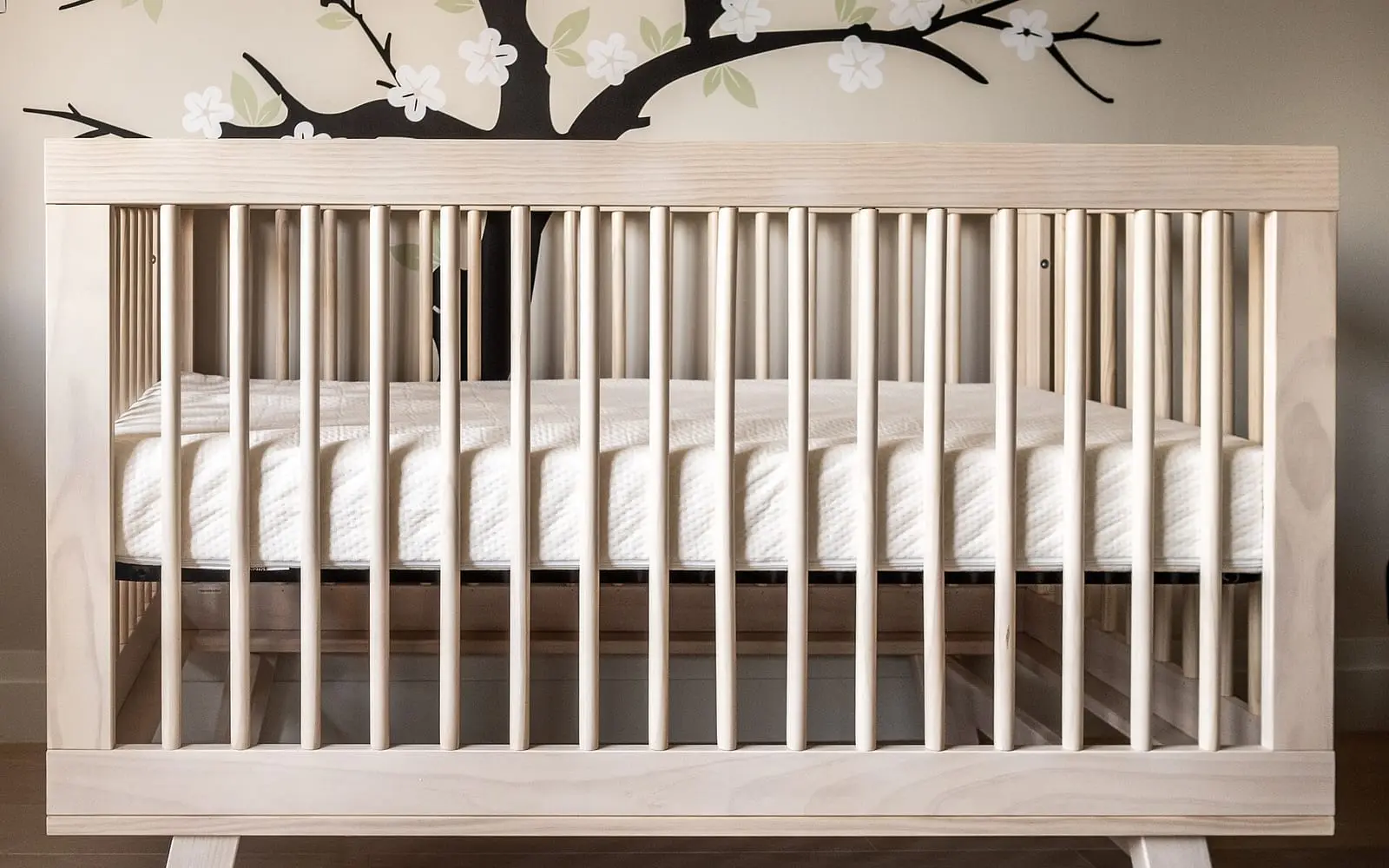
Volatile Organic Compounds (VOCs) are chemicals that off-gas from new furniture, paint, carpet, mattresses, and building materials. The “new furniture smell” is literally VOCs entering the air. Common nursery VOCs include formaldehyde (from pressed wood furniture and some fabrics), toluene (from paint and adhesives), and benzene (from synthetic materials).
Why It Matters for Babies
The EPA estimates that indoor VOC levels are 2-5 times higher than outdoor levels, and new furniture can spike levels to 10 times outdoor concentrations. Studies published in Environmental Health Perspectives link early childhood VOC exposure to increased asthma risk, respiratory irritation, and potential developmental effects. A new crib, dresser, changing table, and carpet installed simultaneously can create significant VOC concentrations in a small, often poorly ventilated nursery.
What to Do
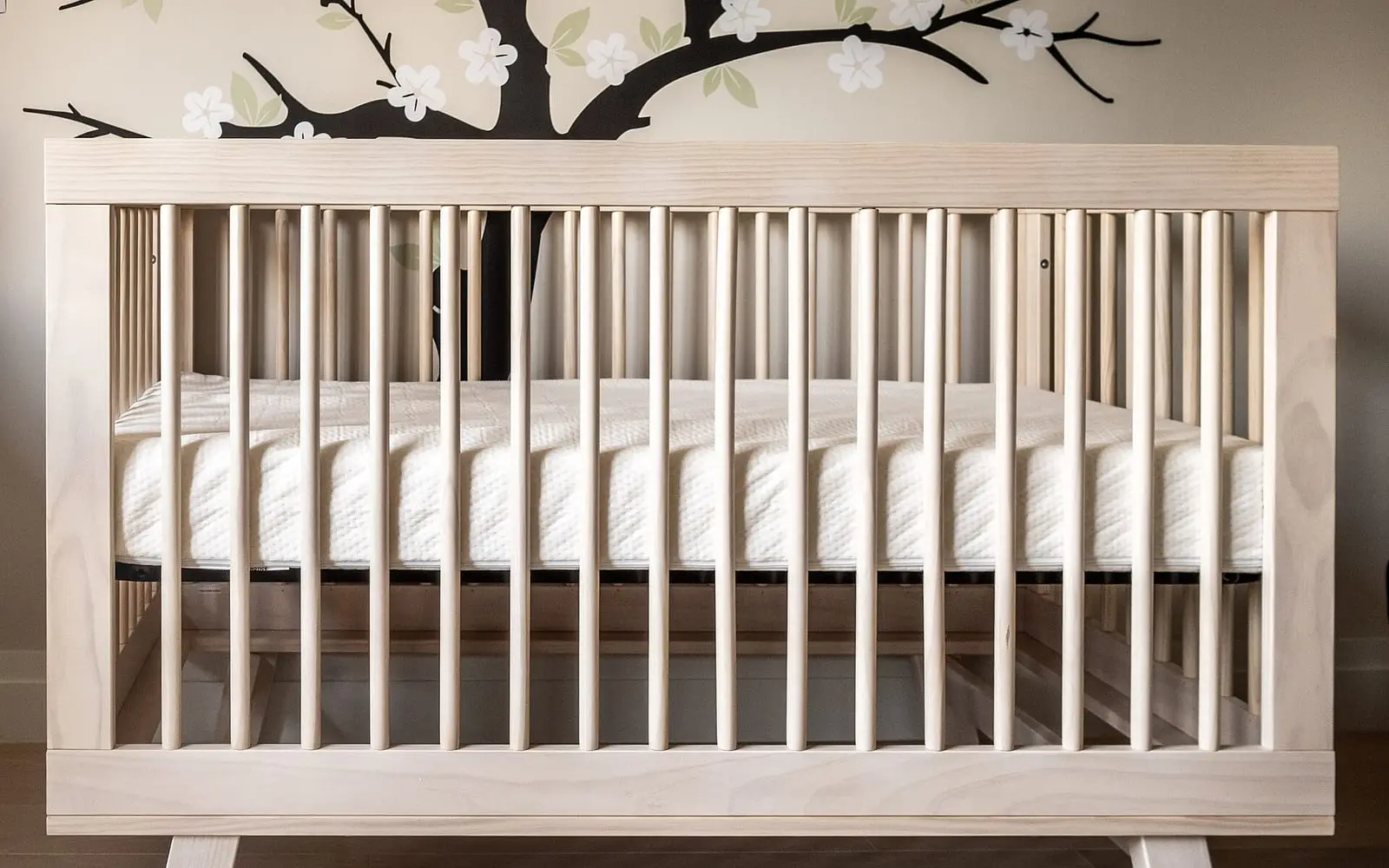
Buy furniture early: Purchase nursery furniture at least 2-4 weeks before the baby arrives. Unpack it and let it off-gas in a well-ventilated room (open windows, fan running). Most VOC off-gassing decreases by 80-90% within the first 2-3 weeks.
Choose low-VOC products: Look for GREENGUARD Gold certified furniture, which meets strict chemical emission limits. Low-VOC or zero-VOC paint is widely available from major brands (Benjamin Moore Natura, Sherwin-Williams Harmony). Solid wood furniture off-gasses less than pressed wood or MDF.
Ventilate during and after setup: Paint the nursery at least 2 weeks before the baby will use it. Keep windows open and a fan running during and after painting. Run an air purifier with an activated carbon filter to accelerate VOC removal.
Factor 2: Particulate Matter (Dust, Allergens, PM2.5)
Particulate matter includes dust, pollen, pet dander, mold spores, and fine particles from cooking, candles, and outdoor pollution. PM2.5 (particles smaller than 2.5 microns) is the most concerning because these particles penetrate deep into the lungs and can enter the bloodstream.
Why It Matters for Babies
Infants’ airways are narrower than adults’, making them more susceptible to irritation from particulate matter. Studies show that early exposure to elevated PM2.5 levels is associated with increased respiratory infections, wheezing, and asthma development. Dust mites — a common nursery allergen — thrive in bedding, carpet, and stuffed animals.
What to Do
Run a HEPA air purifier: A True HEPA filter captures 99.97% of particles at 0.3 microns, including dust, pollen, mold spores, and most bacteria. Run it continuously on a low setting — the goal is constant air cleaning, not periodic blasts. Choose a quiet model (under 30 dB) that won’t disrupt sleep.
Minimize dust collectors: Hard flooring is better than carpet for air quality. If you have carpet, vacuum weekly with a HEPA-filtered vacuum. Limit stuffed animals in the crib area. Wash bedding weekly in hot water (130°F) to kill dust mites. Use allergen-proof mattress and pillow covers.
Manage outdoor pollution: If you live near a busy road, keep nursery windows closed during high-traffic hours and rely on the air purifier for fresh air circulation. Check your local Air Quality Index (AQI) — keep windows closed when AQI exceeds 100.
Factor 3: Humidity
The ideal nursery humidity range is 40-60% relative humidity. This range keeps nasal passages moist (reducing congestion and infection risk), prevents dry skin, and inhibits mold growth and dust mite proliferation.
Too Dry (Below 40%)
Common in winter when heating systems dry indoor air. Symptoms in babies include dry, cracked skin, nasal congestion, nosebleeds, and increased susceptibility to respiratory infections. Dry air also makes the nursery feel colder than the actual temperature, potentially leading parents to overheat the room.
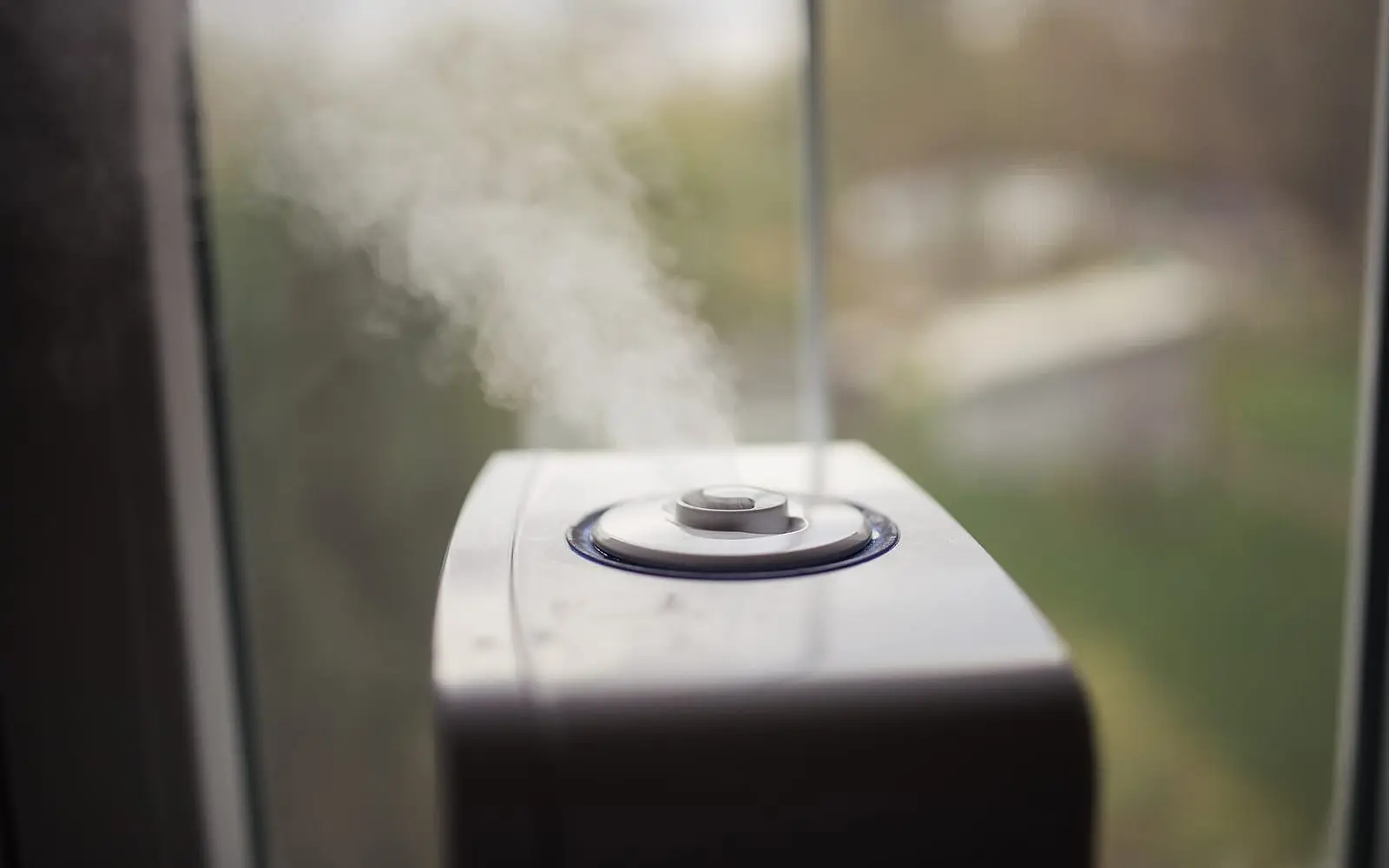
Solution: Use a cool mist humidifier. Evaporative models (like the Honeywell HCM-350) are safest because they self-regulate and can’t over-humidify. Ultrasonic models are quieter but require distilled water to prevent mineral dust. Monitor humidity with a hygrometer and adjust output to maintain 40-50%.
Too Humid (Above 60%)
Common in summer, in basements, and in poorly ventilated rooms. High humidity promotes mold growth (visible and hidden), dust mite proliferation, and bacterial growth. Mold spores are a significant respiratory irritant for infants.
Solution: Use a dehumidifier or air conditioner to reduce humidity below 60%. Ensure adequate ventilation — even cracking a window for 15 minutes daily helps exchange humid indoor air for drier outdoor air (in non-humid climates). Fix any water leaks or moisture intrusion immediately. Check behind furniture and in closets for hidden mold.
Factor 4: Temperature
The AAP recommends nursery temperature between 68-72°F (20-22°C). This range supports safe sleep and reduces SIDS risk — overheating is a documented risk factor.
Monitoring
Place a thermometer/hygrometer at crib level (not on a high shelf where warm air accumulates). Digital models with alerts (like the Govee WiFi sensor) notify you if temperature drifts outside your set range. Check the baby’s chest or back — not hands or feet — to assess if they’re too warm or cool.
Dressing for Temperature
At 68-72°F, a onesie under a sleep sack (TOG 1.0-1.5) is typically appropriate. Below 68°F, add a layer or use a warmer sleep sack (TOG 2.0-2.5). Above 72°F, a onesie alone or a lightweight sleep sack (TOG 0.5) may be sufficient. Never use loose blankets in the crib — sleep sacks are the safe alternative.
Factor 5: Ventilation and CO2
A closed nursery with a sleeping baby accumulates CO2 over the night. While CO2 levels in a typical nursery don’t reach dangerous concentrations, elevated CO2 (above 1000 ppm) is associated with reduced sleep quality and next-day cognitive effects in studies of adult sleep environments. The effect on infant sleep hasn’t been specifically studied, but maintaining good ventilation is a reasonable precaution.
What to Do
Keep the nursery door slightly ajar (a door monkey or door stop works well) to allow air exchange with the rest of the house. If the nursery has a window, crack it slightly when weather permits — even a half-inch gap provides meaningful ventilation. If you use an air purifier, it circulates air within the room but doesn’t introduce fresh air — ventilation and purification serve different purposes.
For parents who want to monitor CO2, the Qingping Air Monitor Lite ($40-$50) measures temperature, humidity, and CO2 in one device. If CO2 consistently exceeds 1000 ppm by morning, improve ventilation by opening the door wider or adding a small fan to circulate air between rooms.
Nursery Air Quality Checklist
Before baby arrives: Buy furniture 2-4 weeks early and let it off-gas. Paint with low-VOC paint at least 2 weeks before use. Install a HEPA air purifier and run it continuously. Set up a hygrometer to monitor humidity and temperature.
Ongoing: Run the air purifier on low continuously. Maintain humidity at 40-60%. Keep temperature at 68-72°F. Vacuum weekly with a HEPA vacuum. Wash bedding weekly in hot water. Replace air purifier filters on schedule. Ventilate daily when weather permits.
Seasonal adjustments: Winter — add a humidifier, check for dry air symptoms. Summer — monitor humidity, use AC or dehumidifier if above 60%. Wildfire season — keep windows closed, run air purifier on high, check AQI daily. Allergy season — increase air purifier runtime, keep windows closed during high pollen counts.
Recommended Equipment
Essential: A True HEPA air purifier ($50-$200), a hygrometer ($8-$18), and a cool mist humidifier for winter ($30-$75). These three devices address the most common nursery air quality issues at a total cost of under $300.
Nice to have: A CO2 monitor ($40-$50), a HEPA-filtered vacuum ($150-$300), and allergen-proof mattress covers ($15-$30). These add additional monitoring and protection for parents who want comprehensive air quality management.
Specs and prices are checked against manufacturer documentation and current retail listings at the time of writing and can change. Read how we test and our editorial policy. Spotted an error? Tell us.