
Indoor Air Quality: Why It's Often Worse Than Outdoor Air
The EPA says indoor air is 2-5 times more polluted than outdoor air. Learn what pollutants are in your home, where they come from, and what you can do about them.
The EPA says indoor air is 2-5 times more polluted than outdoor air. Learn what pollutants are in your home, where they come from, and what you can do about them.

We tested 15 security cameras in complete darkness. These 7 deliver the best night vision — from true color without spotlights to long-range infrared. Full comparison.
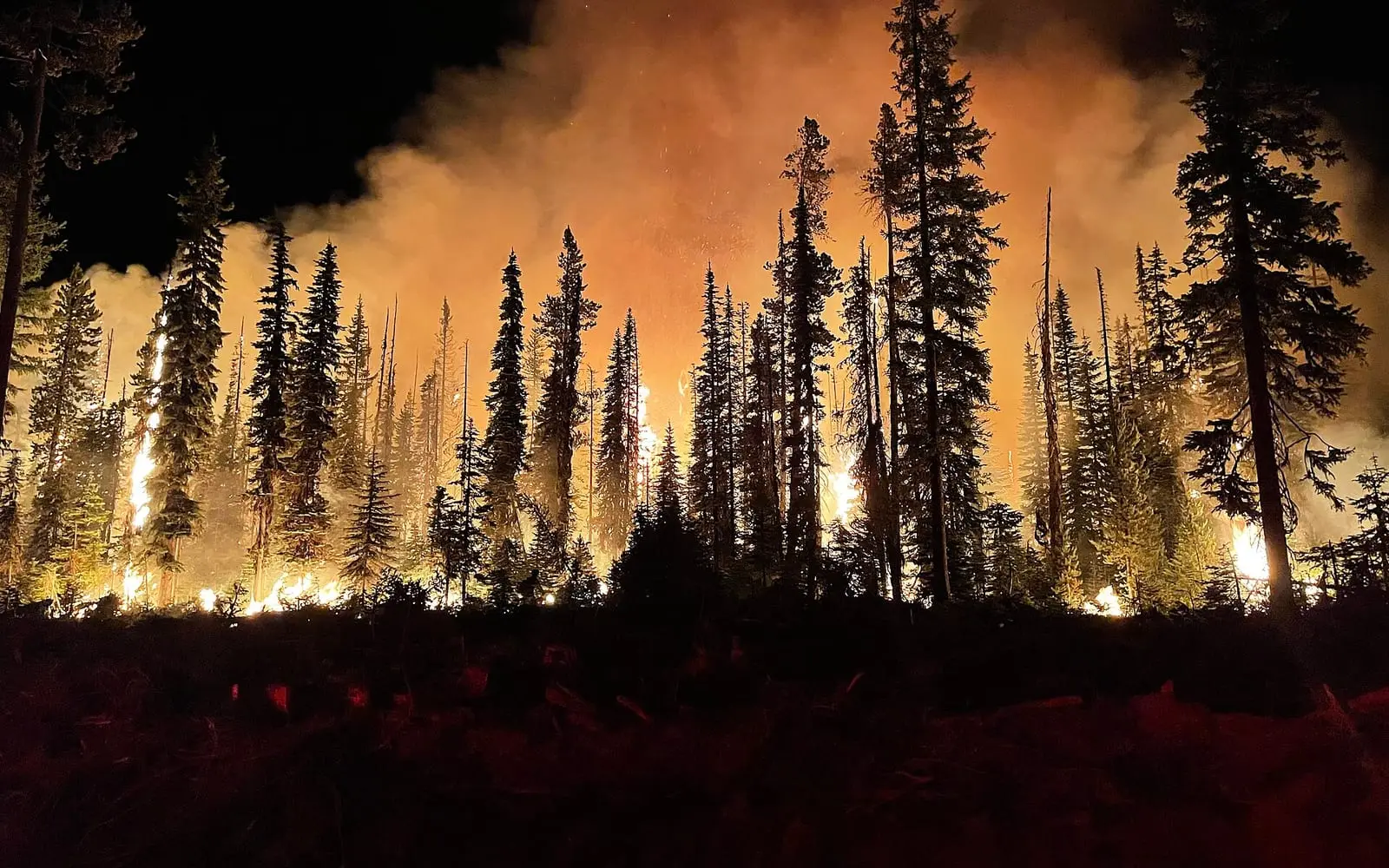
Wildfire smoke infiltrates homes even with windows closed, raising indoor PM2.5 to 50-60% of outdoor levels. Learn how smoke enters your home and how to create a clean air room.

VOCs are invisible gases from paint, furniture, cleaning products, and more. Learn what they are, which ones are dangerous, and the most effective ways to reduce them in your home.
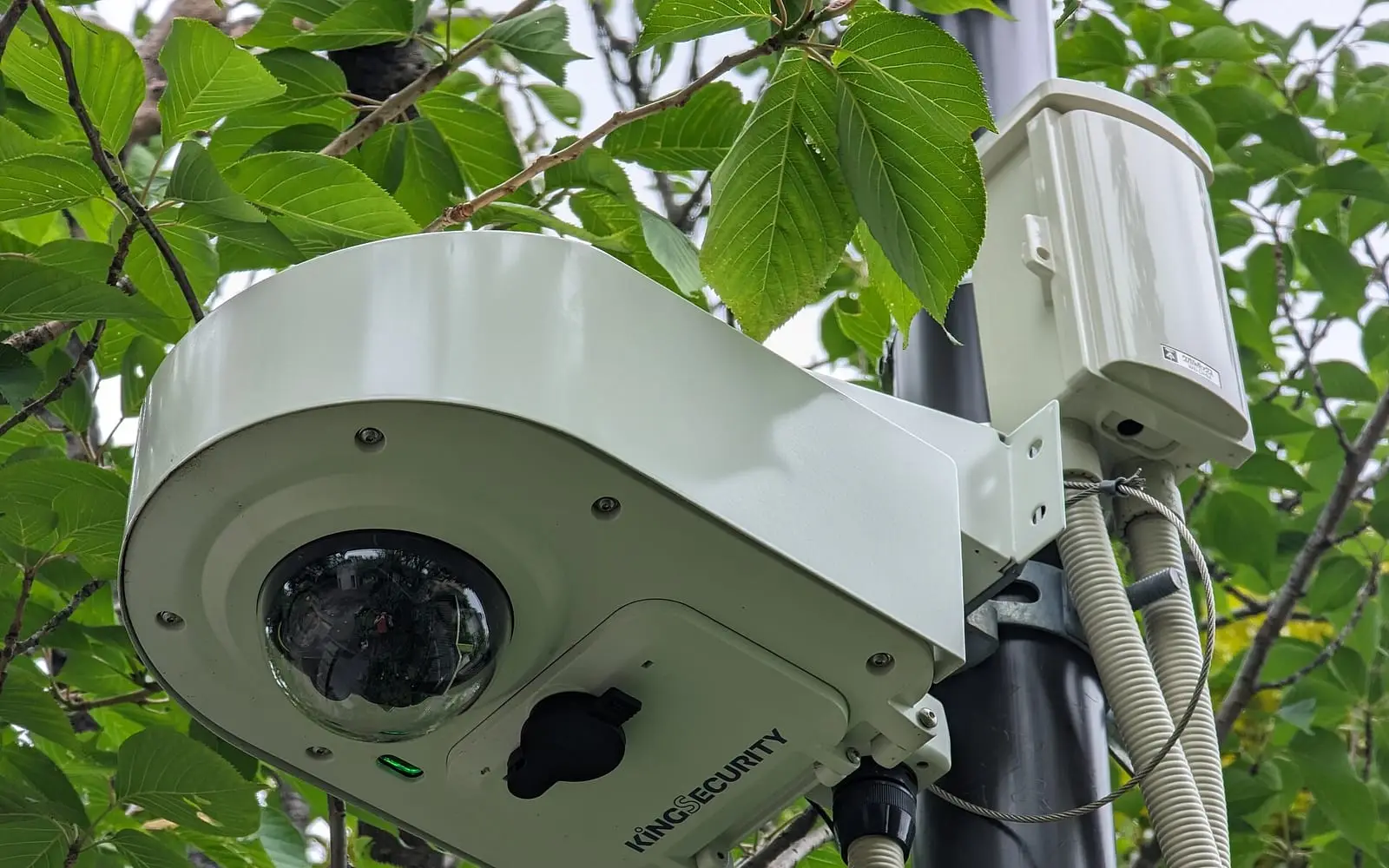
You don't need to spend hundreds on a security camera. We tested 10 cameras under $50 and found 7 that deliver sharp video, smart alerts, and reliable performance.

Mold spores are invisible, airborne, and present in every home. Learn the health risks of mold exposure, how to identify a mold problem, and the most effective ways to reduce mold spores indoors.

Pet dander is one of the most common indoor allergens. Learn how HEPA air purifiers reduce pet allergens, which models work best, and the complete strategy for managing pet allergies at home.
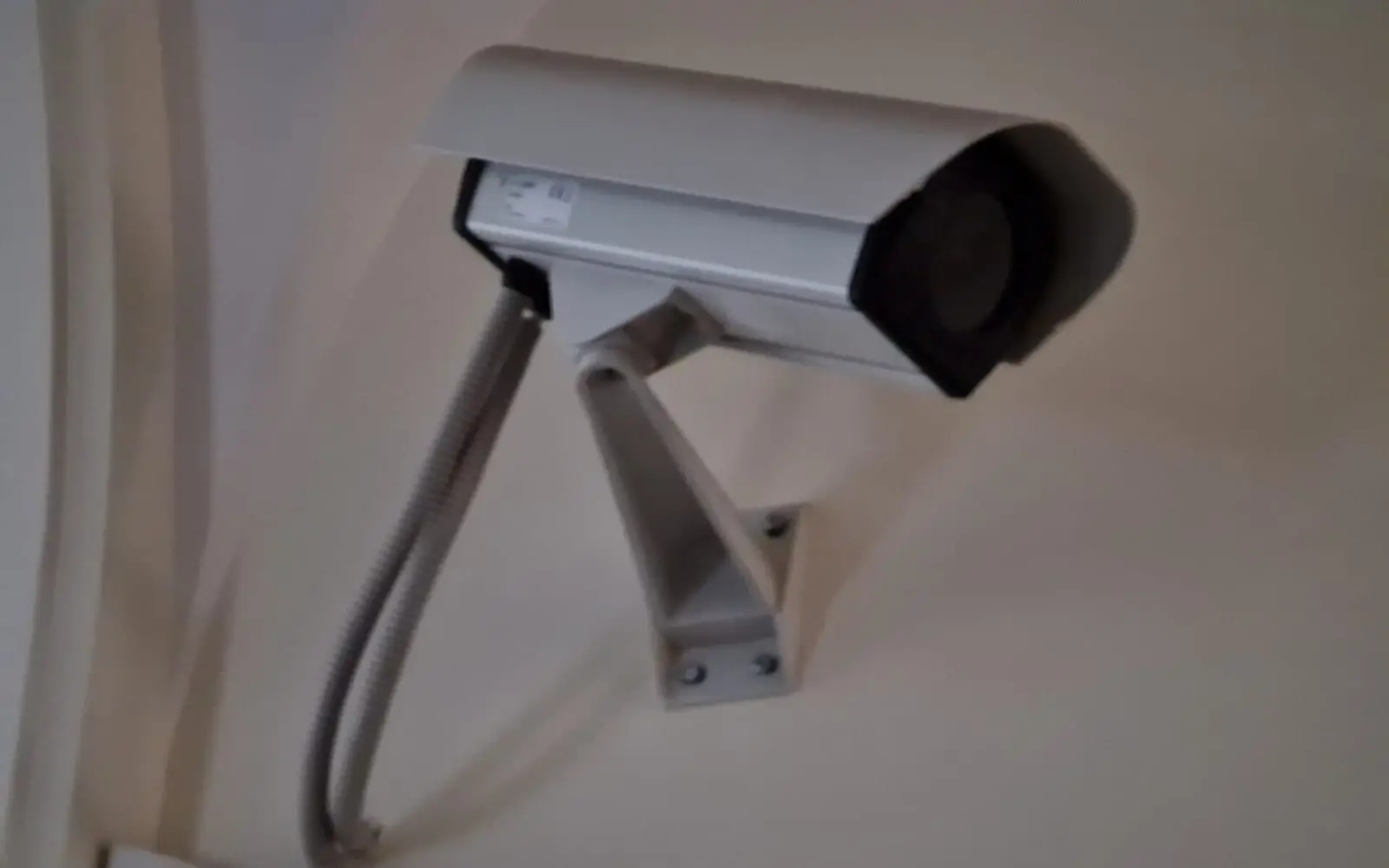
Keep your footage private and subscription-free. We tested 10 security cameras with local storage — microSD, NVR, and USB — to find the 7 best for home use.
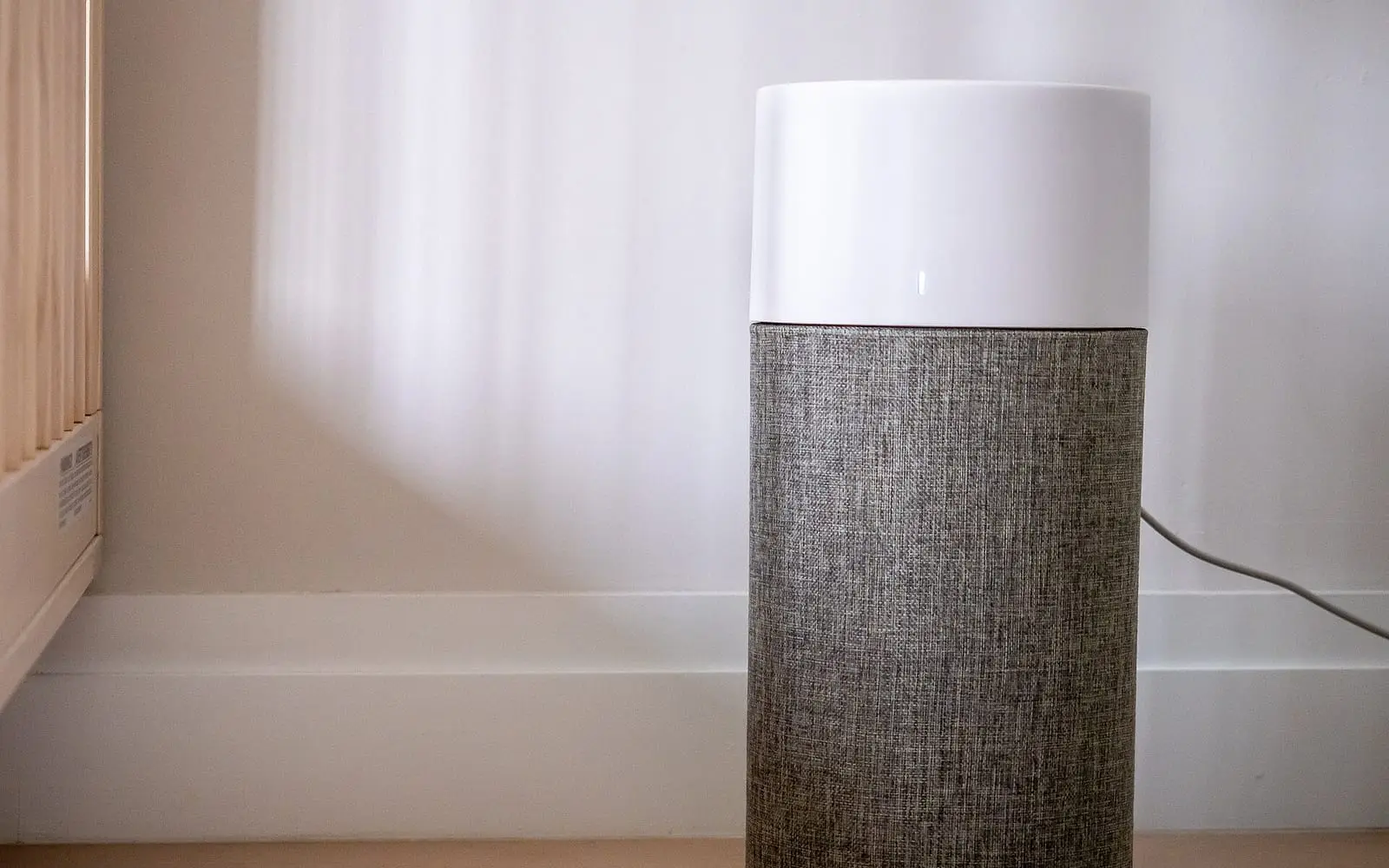
HEPA filters use three physical mechanisms — impaction, interception, and diffusion — to capture 99.97% of particles. Here's the science of how they work and why 0.3 microns is the hardest size to catch.

Ozone generators are marketed as air purifiers but produce a lung irritant that worsens asthma and damages respiratory tissue. Learn why the EPA warns against them and what safer alternatives exist.